Rose Street Theatre (former Charlotte Chapel)

Posted on: March 13, 2026

Adaptive reuse supported, subject to strong conservation safeguards

Adaptive reuse supported, subject to strong conservation safeguards

Cockburn Response

The Cockburn Association welcomes the opportunity to comment on the revised proposal for the conversion of the former Rose Theatre to hotel use.

We previously raised substantial concerns regarding the extent of internal subdivision and loss of significant historic fabric. It is therefore important to acknowledge that the current submission demonstrates a constructive response. The retention of the principal sanctuary space and the decision to preserve the historic pulpit are positive and reflect a clearer appreciation of the building’s architectural and cultural significance.

The Association supports the principle of bringing a long vacant listed building back into sustainable use. Securing a viable future for heritage assets is essential to their long-term conservation and to the vitality of the city centre.

However, heritage impact remains the central consideration. The special interest of the building lies not only in individual features but in the coherence of its interior volume and its layered history as chapel and theatre. Further assurance is required that hotel adaptation, services installation and subdivision will not undermine that integrity. A rigorous and clearly articulated conservation methodology should underpin any consent, with particular emphasis on reversibility and minimal intervention.

The Association also notes the cumulative reduction of cultural venues within the city centre. While market realities are acknowledged, we encourage exploration of opportunities to retain some element of public or cultural use within the scheme to maintain continuity with the building’s recent history.

Given the improvements made, the Cockburn Association does not object in principle to the adaptive reuse of the building. Our position is conditional. We urge the planning authority to secure robust conservation safeguards and to ensure that the final design exemplifies best practice within he New Town Conservation Area and World Heritage Site.

Subject to those safeguards, the revised proposal has the potential to represent a more balanced and conservation-led outcome than the previously refused scheme.

Photo: Christopher Anderson / Wikimedia Commons, licensed under Creative Commons Attribution-ShareAlike.

Cameron Toll Consulatation

POSTED ON

Cameron Toll vision needs coordinated masterplanning and civic leadership.

Cameron Toll vision needs coordinated masterplanning and civic leadership.

Support the Cockburn

Donate
Join Us

Cameron Toll Consulatation

Posted on:

Cameron Toll vision needs coordinated masterplanning and civic leadership.

Cameron Toll vision needs coordinated masterplanning and civic leadership.

Cockburn Response

The Cockburn Association welcomes the opportunity to comment on the emerging Cameron Toll masterplan and planning applications at this pre-application stage.

We recognise the need to review the long-term future of this inward-facing retail centre and acknowledge the potential for redevelopment to improve permeability, introduce new homes and strengthen the civic presence of the centre within south Edinburgh. The ambition to enhance the public realm, improve connections with surrounding neighbourhoods and support more sustainable patterns of movement is also noted.

However, Cameron Toll is a site of such scale and strategic importance that its future cannot be left to the cumulative effect of individual development proposals or market-led change alone. Proposals now being discussed suggest the introduction of several hundred new homes, alongside retail, leisure and transport infrastructure. In effect, this would amount to the creation of a substantial new neighbourhood centre rather than simply the refurbishment of an existing shopping complex.

For that reason, the transformation of the site must be guided through a comprehensive masterplanning process led and facilitated by the City of Edinburgh Council. A clear civic framework is essential to ensure that redevelopment delivers coherent urban form, integrates properly with surrounding communities and contributes positively to the wider objectives of City Plan 2030 and National Planning Framework 4.

The stated ambition to create a “20-minute neighbourhood” is welcome in principle. Achieving this in practice, however, requires careful coordination of housing mix, transport infrastructure, local services, public realm and green space. Such outcomes cannot be guaranteed through piecemeal development. They require strategic oversight and long-term planning.

The site also has wider city-scale implications. Its location at a key southern gateway to Edinburgh, together with potential connections to future sustainable transport infrastructure and the opportunity to improve the Braid Burn corridor and links to Inch Park, reinforces the importance of an integrated approach.

Any support for redevelopment must therefore be conditional on the detail and evidence contained within the forthcoming planning applications. In particular, we will expect to see:

  • Clear justification for proposed building heights and massing, supported by robust townscape and visual assessment
  • A comprehensive and evidence-based transport and parking strategy that demonstrates no adverse impact on surrounding residential streets
  • High-quality public realm design with secure long-term management arrangements
  • Measurable commitments to whole-life carbon reduction, embodied carbon assessment and climate resilience
  • Demonstrable alignment with City Plan 2030 and National Planning Framework 4

Cameron Toll presents a rare opportunity to reshape a significant suburban site and create a more outward-looking, sustainable neighbourhood centre. Realising that opportunity will require strong civic leadership, careful coordination and a clear commitment to placemaking. The test will be whether the detailed proposals deliver a genuinely integrated urban quarter rather than simply an intensification of the existing retail format.

The Cockburn Association looks forward to continued engagement with the Council and the applicant team as the proposals develop.


Photo: Richard Webb / Geograph, licensed under Creative Commons Attribution-ShareAlike 2.0.

In Their Footsteps: The Women Behind Edinburgh’s Built Heritage

POSTED ON March 5, 2026 BY Anna Dowling-Clarke

Edinburgh is full of stories, threaded through the very fabric of the city

Edinburgh is full of stories, threaded through the very fabric of the city

Support the Cockburn

Donate
Join Us

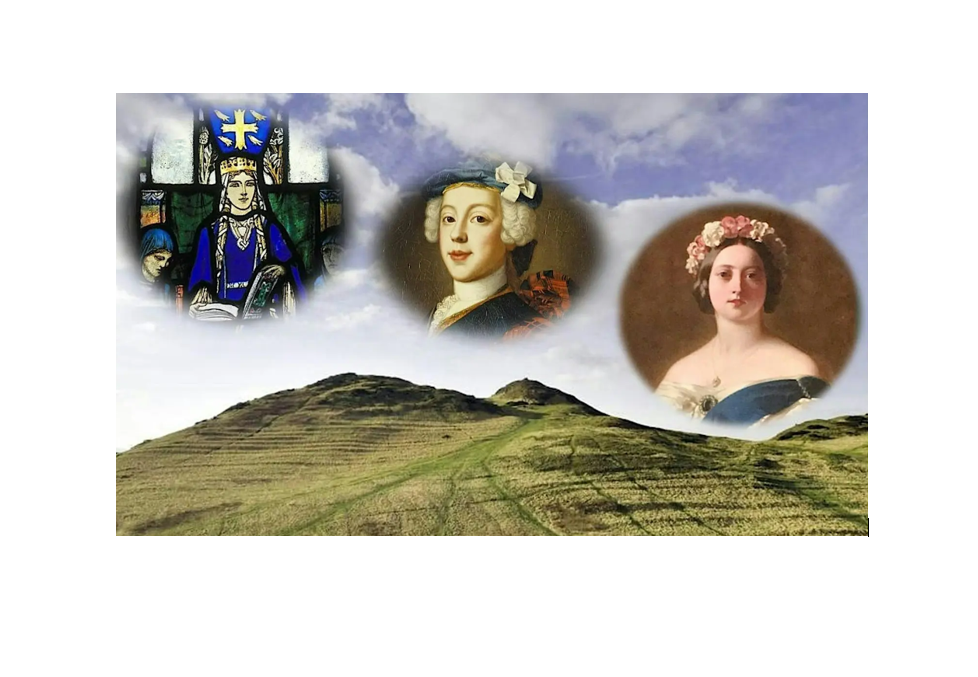
Hidden in Plain Sight: Women’s Stories Walking Tour

Sunday 8 March, 10am Sunday 15 March, 10am Sunday 22 March, 10am

Hidden women’s histories shaping Edinburgh’s streets and stories

Book Here

Leith Chooses

POSTED ON February 27, 2026 BY James Garry

What Participatory Budgeting Looks Like When It Actually Works

What Participatory Budgeting Looks Like When It Actually Works

Support the Cockburn

Donate
Join Us

The Hidden Women of St Cecilia’s Hall: Women’s History Month Talk

Fri, Mar 6

The roles, lives and stories behind the often overlooked women

Book Here

Facing the Future: Perspectives on Planning

Fri, Mar 6

How do we create places that truly work for people?

Book Here

Calton Hill Archaeology Project Final Workshop

Sat, Feb 28, 2026

Explore the archaeological potential of Calton Hill

Book Here

Heritage Works – Arts, Culture and Placemaking in a Historic City

Tue, Mar 24, 202

Shaping the future of Scottish towns and cities

Book Here

Interceptor Sewers; how Victorian Edinburgh cleaned up the Water of Leith

Mon, Mar 9 • 7 pm

A journey into the river ‘dirty’ past

Book Here