Portgower Place
Posted on: July 10, 2026
Further verified visualisations required before townscape impacts can be robustly assessed
Further verified visualisations required before townscape impacts can be robustly assessed
Cockburn Response
The Cockburn Association welcomes continued investment in community sporting facilities and supports, in principle, the provision of covered padel tennis courts within the established Raeburn Place sports grounds.
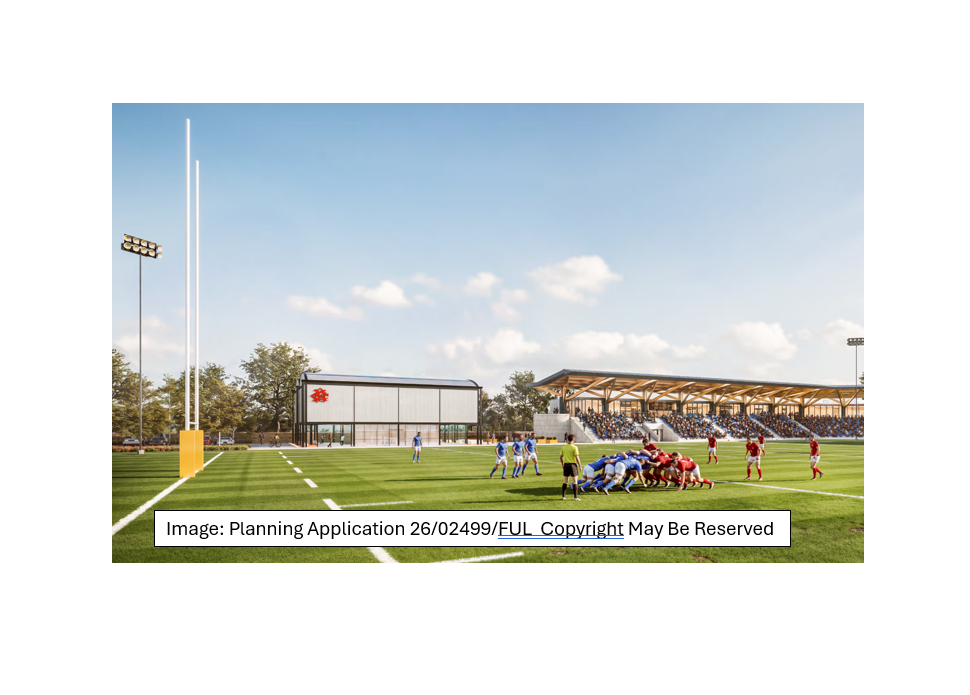
However, the site occupies a sensitive location within the Inverleith Conservation Area and the applicant’s Planning Statement relies upon conclusions that the proposal preserves the character and appearance of the Conservation Area and does not adversely affect Key View N2b identified within the Edinburgh Skyline Study. While these conclusions may ultimately prove to be well founded, the Association does not consider that the application is currently supported by sufficient verified visual information to enable them to be independently assessed.
Given the importance of Edinburgh’s internationally recognised townscape, skyline and significant public views, the planning authority should be satisfied that it has adequate evidence before determining the application. In our view, the submission should be supplemented by a more comprehensive suite of verified visualisations and supporting townscape assessment illustrating the proposal from representative public viewpoints, including those identified within the Edinburgh Design Guidance.
Until that information has been provided, the Cockburn Association is unable to support the application and recommends that it should not be determined. We consider that further visual assessment is necessary to demonstrate that the proposal preserves the character and appearance of the Inverleith Conservation Area and safeguards the qualities of Edinburgh’s important skyline and public views.