Wyvern Park Grange

Posted on: July 24, 2025

Intensification of use and fenestration are our main concerns

Intensification of use and fenestration are our main concerns

Cockburn Response

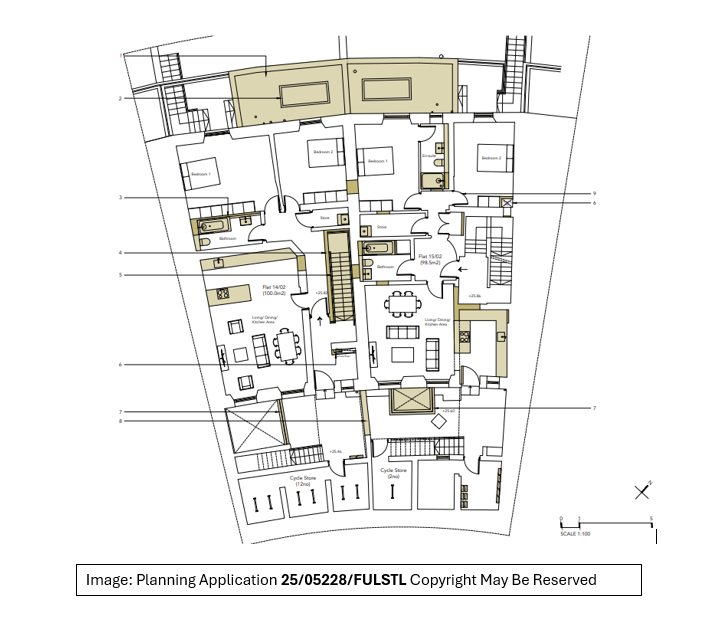
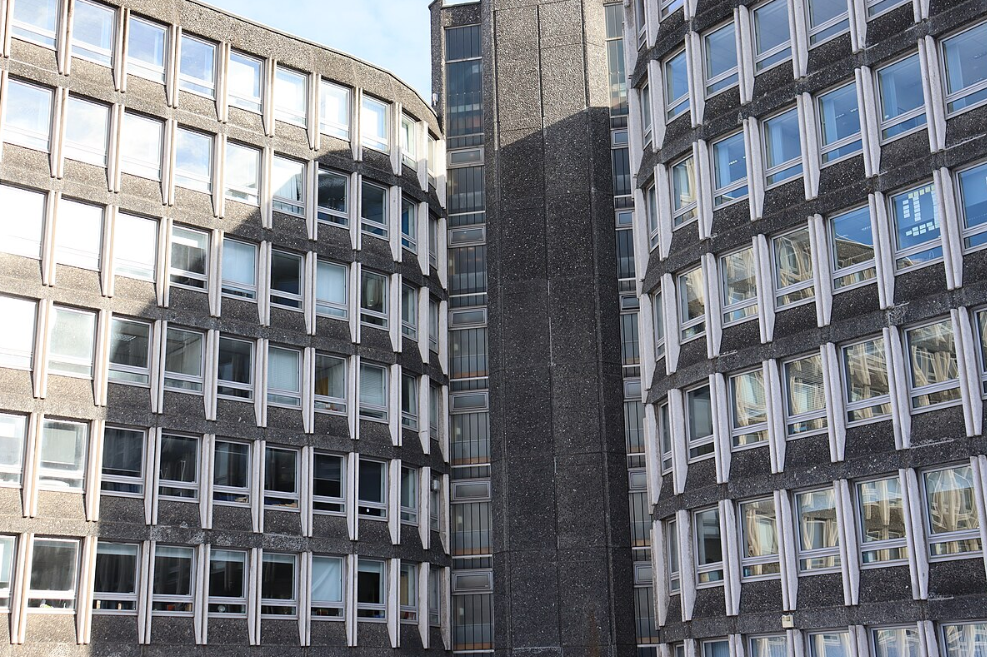
The Association has been asked to consider this application by one of our members, who lives in this modern tenement building in the Grange.

The principle issues of concern are twofold: the intensification of use by the subdivision of the topmost flat with the resulting impact on residential amenity; and the impact to the fenestration of a property within the Grange Conservation Area due to the proposed replacement window design.

On the first point, we have no view on the architectural merits of the proposals. However, the creation of a separate bedsit flat will result in an increase in footfall in the common stair. Although the application suggests it will be used for “long lease private residential tenancy”, there are legitimate concerns that it might be used for short-term holiday accommodation. The careful consideration of the scheme in terms of Hou 6 Inappropriate Uses in Residential Areas (Developments, including change of use, which would have a materially detrimental effect on the living conditions of nearby residents, will not be permitted) will be required. If approved, a clear statement that STL use would require a separate consent would be useful.

Furthermore, the disturbance to other residents due to the increased intensification of use due to the creation of a new flat suggests that measures should be put in place to minimise any impact. Acoustic flooring should be a minimum requirement and any pipe or waste runs should be designed to prevent any impact on neighbouring properties in the event of failure or amenity.

With regard to the proposed change in window pattern, we appreciate that this is a relatively minor alteration. However, the development at Wyvern Park was as a unified development within the Conservation Area, and we understand that attempts for other replacement window proposals not replicating the original have been refused in the past. As such, we strongly advise that a ‘like for like’ replacement window be required for this proposal.

Edinburgh 900: Unburying the History in Greyfriars Kirkyard

Sunday, September 7

An inspired tour of one of Edinburgh’s most iconic yet misunderstood places

Book Here

Edinburgh’s Jewish Heritage

Fri, 15 Aug 2025

Come explore the rich Jewish history of Edinburgh

Book Here

Holyrood Family Adventure

Fri, 25 Jul 2025

Holyrood’s wildlife, history and volcanic landscape

Book Here

Discover Dean Cemetery Tour

Sun, 20 Jul 2025

Compelling stories of the city

Book Here

Graffiti in the Capital: Blight or Expression?

POSTED ON July 18, 2025 BY James Garry

We need to distinguish between vandalism and visual storytelling

We need to distinguish between vandalism and visual storytelling

Support the Cockburn

Donate
Join Us

New Town Quarter

Posted on:

We support development of the site without delay, but object to the current proposal due to its departure from the approved mixed-use scheme

We support development of the site without delay, but object to the current proposal due to its departure from the approved mixed-use scheme

Cockburn Response

The New Town Quarter presents a significant opportunity to shape a vibrant, inclusive urban neighbourhood at the edge of Edinburgh’s historic core. The Cockburn Association welcomes the intent to bring this strategically important site into productive use without further delay. However, we are concerned that the current proposal to substitute two consented Build-to-Rent blocks with 599 units of Purpose-Built Student Accommodation (PBSA) represents a fundamental departure from the approved masterplan and risks undermining the long-term vision for a mixed, sustainable city-centre community.

The original consent for this site balanced residential, commercial, and civic uses with a clear focus on housing diversity and placemaking. Replacing a substantial portion of that vision with a single-tenure, high-density PBSA model would compromise the neighbourhood’s resilience, weaken its year-round occupancy, and erode the social infrastructure required to support permanent residents. This shift is particularly significant given the site’s location within the New Town Conservation Area and on the edge of the Edinburgh World Heritage Site. These contexts demand the highest standards of architectural quality, contextual sensitivity, and public value.

The proposed 599 PBSA units would dominate the residential component of the site, representing a significant imbalance in tenure mix and undermining the opportunity to create a socially mixed and inclusive urban quarter. Edinburgh’s central area is already experiencing pressure from transient accommodation, and there is growing concern about the cumulative impact of PBSA developments on local services, public infrastructure, and the character of established communities. In particular, the risk of seasonal under-occupation may affect the vitality of the area and limit support for local businesses.

These concerns are not hypothetical. In June 2025, the City of Edinburgh Council passed a motion instructing officers to explore a potential moratorium on new PBSA developments, citing overconcentration, integration challenges, and broader questions about the role and scale of student accommodation within the city. The motion received cross-party support and reflects a city-wide recognition that proposals of this kind merit closer strategic scrutiny. Officers are expected to report back by 10 September 2025. In this context, a decision to approve a significant new PBSA development ahead of that review risks pre-empting policy conclusions that are still in formation.

We acknowledge that deferring consideration of the current application until after the PBSA review carries a risk of non-determination. However, that risk must be weighed carefully against the potential long-term implications of approving a development that may not align with emerging policy objectives. We respectfully ask whether the applicant might instead proceed with the already approved mixed-tenure scheme, one that has consent and could help address the city’s housing emergency through the timely delivery of a balanced residential offer. At a time when there is an acute need for permanent, accessible housing, progressing the consented scheme would represent a clear and positive contribution.

Beyond questions of tenure and policy, we note that the current application includes an increase in the height of one of the residential blocks when compared to the consented scheme. This is a material change that warrants scrutiny. In such a prominent and sensitive location, within the New Town Conservation Area and on the edge of the Edinburgh World Heritage Site, any increase in scale must be considered not only in terms of massing and streetscape but also in relation to key views, skylines, and the city’s wider urban character.

The New Town Quarter occupies a transitional position between the classical formality of the New Town and the more varied grain of Canonmills. The approved scheme established a respectful relationship with this context, reinforcing human-scale development and maintaining a legible street hierarchy. Introducing additional height could disrupt this balance, particularly if it affects long-established view corridors, creates visual intrusion within the historic skyline, or undermines the coherence of the wider townscape.

The Cockburn Association, therefore, urges the planning authority to ensure that the visual, spatial, and heritage implications of any proposed height increases are fully assessed, including through verified visualisations, section drawings, and townscape impact analysis. The World Heritage Site Management Plan places particular emphasis on protecting the outstanding universal value of Edinburgh’s skyline and historic urban form, and new development must contribute positively to these defining characteristics.

We also emphasise the importance of long-term adaptability. Given the evolving nature of student housing demand, any PBSA consented at this site should be capable of relatively straightforward conversion to mainstream residential use. Flexibility in internal layout and servicing will be critical to ensuring the future viability of these buildings and to safeguarding their contribution to the city’s housing stock over time.

While we object to the current proposal as submitted, the Cockburn Association remains open to constructive engagement. We encourage the applicant to explore alternative approaches that retain the core principles of the original masterplan while enabling delivery within a reasonable timeframe. Any revised scheme should demonstrate clear community benefit through public open space, affordable housing contributions, or investment in local infrastructure, and reinforce confidence in the site’s long-term value to the city.

In conclusion, the Cockburn Association continues to support the development of this critical site and recognises the need for progress. However, we are not persuaded that the current proposal represents the most appropriate use of the land or the best outcome for the city. We therefore urge the planning authority to defer approval until the Council’s PBSA review is complete and to work with the applicant to deliver a scheme that aligns with Edinburgh’s long-term aspirations for a sustainable, inclusive, and well-integrated urban neighbourhood.

Cables Wynd House

Posted on: July 4, 2025

We welcome the focus on enhancing lighting, insulation, and accessibility

We welcome the focus on enhancing lighting, insulation, and accessibility

Cockburn Response

The Cockburn Association supports this application, which proposes essential upgrades to the A-listed Brutalist blocks at Cables Wynd House and Linksview House in Leith. These buildings are important examples of post-war public housing, recognised for their architectural significance and social value. The proposed works strike an appropriate balance between heritage conservation and the pressing need to improve residential comfort, safety, and environmental performance.

We welcome the focus on enhancing lighting, insulation, and accessibility, along with improvements to entrances and shared spaces. These interventions respond directly to resident concerns while preserving the buildings’ distinctive architectural character. The approach demonstrates how thoughtful design can meet contemporary standards without compromising historic integrity.

We regard this as a positive example of how public investment can support the long-term sustainability and liveability of listed mid-20th-century housing. The application should be approved.

The Famous Spiegeltent at St Andrew Square

Posted on:

At the time of writing, construction is visibly underway

At the time of writing, construction is visibly underway

Cockburn Response

The Cockburn Association objects strongly to this retrospective application for the installation of the Famous Spiegeltent and associated structures in St Andrew Square Gardens. At the time of writing, construction is visibly underway, with the event infrastructure already in place—despite the fact that the application has not yet been determined. This pre-empts the planning process, disregards due democratic oversight, and undermines public confidence in the integrity of the regulatory system.

The proposals involve the occupation of a significant portion of one of the city centre’s few accessible green garden squares across July and August, introducing a high-intensity commercial and cultural event space into a sensitive setting. The cumulative impact on public amenity, landscape character, and access to green space within the New Town Conservation Area and Edinburgh World Heritage Site has not been adequately assessed.
We therefore call for a full impact assessment of the event’s scale, design, and duration—considering its physical footprint, acoustic and visual impacts, and implications for landscape and heritage value. It is vital that any use of such a sensitive site be subject to rigorous scrutiny, particularly when that use displaces everyday access to civic green space.

In addition, we advocate for a strategic policy review of summer festival occupation of public parks and gardens in Edinburgh. A consistent framework is urgently needed to establish clear thresholds for permitted uses, limits on duration and intensity, and transparent criteria for assessing public benefit—balancing cultural vibrancy with the protection of shared green assets.

While we recognise the cultural significance of Edinburgh’s festivals, this cannot come at the cost of planning integrity, public process, or the equitable use of valued civic spaces. We urge the planning authority to take enforcement action to address the unauthorised commencement of works and to ensure that future proposals of this nature are subject to proper, transparent consideration.


1 Thistle Street

Posted on:

The current proposals raise serious concerns

The current proposals raise serious concerns

Cockburn Response

The Cockburn Association objects to this application on the grounds of excessive height, poor design integration, and lack of sensitivity to the historic context of the New Town Conservation Area and World Heritage Site.

While we welcome the general ambition to upgrade and consolidate this office site, the current proposals raise serious concerns. In particular, the height and bulk of the proposed new upper levels appear overly dominant within this tight historic streetscape. Rather than enhancing the urban form, the upper storeys risk overwhelming the existing building and disrupting the established rhythm and scale of Thistle Street. We recommend that these upper elements be more carefully stepped back or reconfigured to reduce their visual impact and improve integration with the street.

The design language and materials of the proposed extensions also warrant further scrutiny. The elevations currently lack the architectural refinement and contextual referencing expected in a highly sensitive location. This is particularly concerning in relation to the adjacent listed buildings and the cumulative effect of incremental alterations on the character of the street.

We acknowledge improvements such as the removal of car parking and introduction of cycle facilities, but these benefits do not outweigh the need for a more considered architectural response. A revised scheme that moderates the upper levels and demonstrates a clearer relationship to the surrounding built heritage would be more appropriate.