The Building Stones of Edinburgh with Luis Albornoz-Parra
Monday, December 8
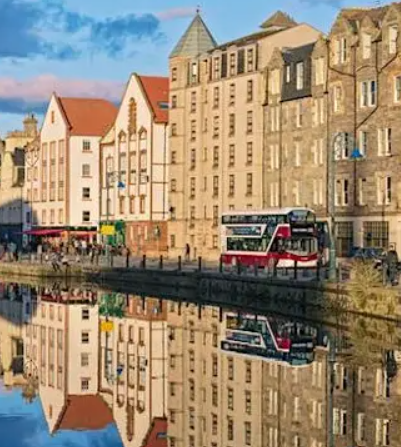
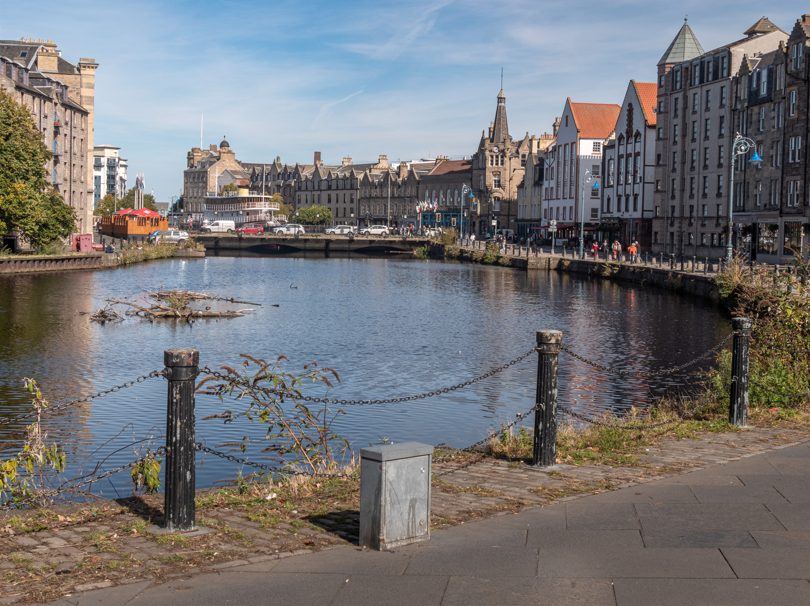
Edinburgh is renowned for its dramatic stone architecture
Professor Aonghus MacKechnie will take us on a tour of Scotland
‘the first architectural critic in the modern sense of the word’.
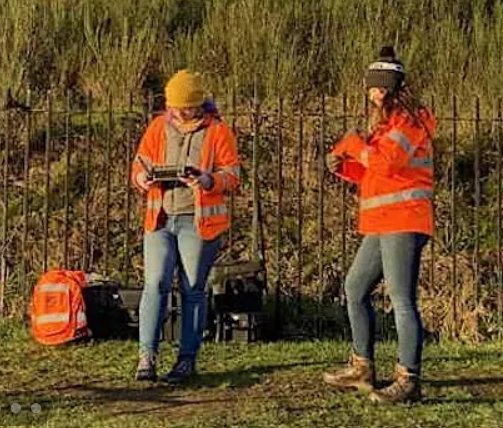
The proposal to convert the disused railway platforms beside the B-listed Granton Station Creative Works into landscaped planters with gravel surfaces and public artworks is recognised as a continuation of the area’s cultural regeneration. The former station building, restored and reopened as an artist-led creative hub, has already become a focal point for local creative activity and forms part of the wider Granton Waterfront regeneration. In this context, revitalising the platforms with planting and artworks offers a sensitive way of extending the life of the site and enhancing the public realm around Station Square.
While the ambition of the scheme is welcomed, it is regrettable that the proposals do not incorporate any interpretation of the site’s railway heritage. Such elements could help to connect the creative re-use of the building and platforms more directly with the history of Granton’s industrial past, enriching the experience for visitors and local communities alike. It is also important to emphasise the need for good long-term maintenance of both the planting and any artworks to ensure that the quality of the environment is sustained and the benefits of the project are secured into the future.
The Cockburn Association supported the previous application on this site and welcomes the further revisions now proposed. In particular, we appreciate the move to address earlier concerns regarding the dominance of studio flats, with the initial proportion of 63% now reduced to 17 units (below 10% of the total), in line with Council policy. This adjustment will help ensure more positive health and wellbeing outcomes for future residents. We especially welcome the delivery of an active street frontage, which strengthens the relationship with the surrounding streetscape and contributes positively to the character of Causewayside. Supported by improvements in overall design quality, landscaping, and sustainability measures, these revisions represent a more balanced and sensitive response to the site, and we are content to support the application.
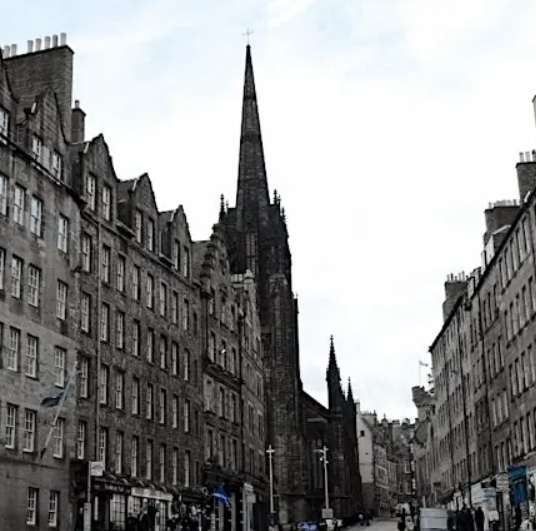
The Cockburn Association objects strongly to this application. The proposal’s poor design quality fails to respect its sensitive historic setting and is in direct conflict with the City Plan 2030 and the statutory duties under the Planning (Listed Buildings and Conservation Areas) (Scotland) Act 1997.
The development is contrary to Policy Des 1 (Design Quality and Context), which requires proposals to be of a high design standard and to respond sensitively to their setting. Instead, the scheme introduces inappropriate scale, bulk, and detailing that erodes rather than reinforces the character of the Old Town. It also fails to meet Policy Des 3 (Design in Conservation Areas and World Heritage Sites), which requires development to preserve or enhance the special character and appearance of these nationally and internationally significant designations.
Furthermore, the proposal conflicts with Policy Env 9 (World Heritage Sites) by undermining the Outstanding Universal Value, authenticity, and integrity of the Edinburgh World Heritage Site. The harm extends to the setting of surrounding A-listed buildings, contrary to the requirements set out in Appendix D (Technical Requirements), which emphasises that all proposals must fully understand and preserve or enhance the setting of listed buildings and conservation areas.
The statutory duty under Sections 14 and 64 of the Planning (Listed Buildings and Conservation Areas) (Scotland) Act 1997 reinforces these requirements, obliging decision-makers to pay special regard to the desirability of preserving listed buildings and the character or appearance of conservation areas. This duty has not been met.
Equally concerning is the absence of a comprehensive Heritage Impact Assessment and a comprehensive selection of verified visual studies, which are essential for assessing proposals in the context of the World Heritage Site and the Old Town Conservation Area. This omission makes it impossible to demonstrate compliance with the above policies or to understand the true impact on the skyline, townscape, and historic setting.
Taken together, poor design quality, direct conflict with Policies Des 1, Des 3, Env 9, and Appendix D, and the absence of required heritage assessments, this proposal is fundamentally unsuitable for its location. The Cockburn Association therefore urges the Council to refuse consent.