Have Your Say on Gilmerton’s Heritage
POSTED ON January 30, 2026 BY James Garry
Public consultation invites input on protecting Gilmerton’s distinctive village heritage
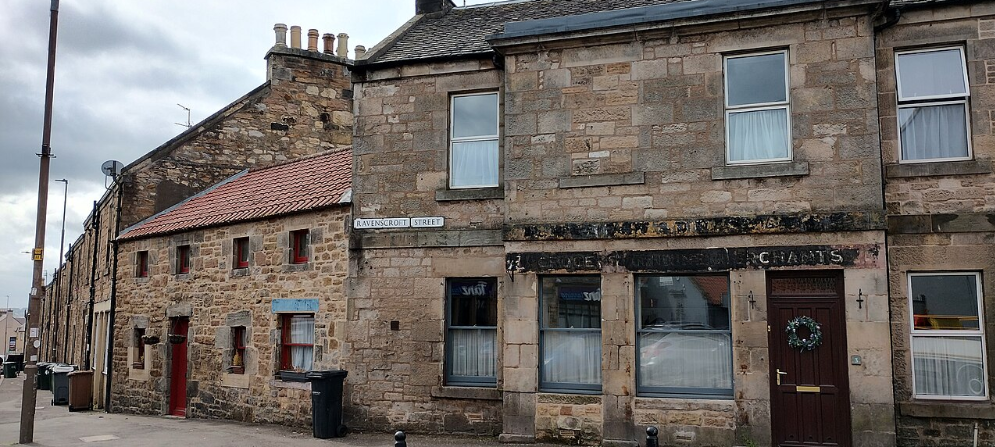
Stand at the heart of Gilmerton and you can still trace the outline of the old village. Stone cottages line Drum Street. The 18th-century schoolhouse survives. Beneath the streets lie the mysterious hand-carved chambers of Gilmerton Cove. These are not grand buildings, but they tell a story of a mining settlement absorbed into the city, of a community shaped by coal and limestone quarrying long before Edinburgh’s suburbs reached this far south.
Edinburgh is home to 50 conservation areas, each designated for its special architectural or historic interest. Together they safeguard the distinctive character of the city, from the planned grandeur of the New Town to the former villages and suburbs that give Edinburgh much of its texture and variety.
As the city continues to grow, and as development pressures intensify under the emerging City Plan 2040, these designations matter more than ever. Conservation is not about freezing places in time. It is about managing change carefully, ensuring that what makes an area distinctive is recognised, understood, and protected as Edinburgh evolves.
A new opportunity for public input has now opened with the draft Gilmerton Conservation Area Character Appraisal, currently out for consultation until 3 March 2026.
Gilmerton’s Unique Story
Gilmerton was designated a conservation area in October 1977, in recognition of its identity as a former rural mining village with deep agricultural roots. The village grew around coal mining and limestone quarrying from at least the 16th century. Although now part of a growing urban edge, it retains traces of that earlier landscape and community history.
Unlike Edinburgh’s planned Georgian expansions, Gilmerton developed organically. Its street pattern, modest scale, and building forms still reflect those industrial and agricultural origins. The Somerville and later Kinloch families owned the land from the 17th century. The settlement pattern, narrow lanes, and vernacular cottages speak to a working village rather than a designed suburb.
The current character appraisal, adopted in 2000, is now 25 years old. The draft updated version sets out Gilmerton’s historical development, identifies the features that contribute most strongly to its special character, and highlights opportunities for enhancement.
Character appraisals may not always attract much attention, but they are important planning tools. They are material considerations in development decisions, helping ensure that proposals respond appropriately to local distinctiveness rather than eroding it over time.
What’s at Stake
Like many of Edinburgh’s edge villages, Gilmerton faces particular pressures. New housing developments abut the historic core. Garden ground is vulnerable to infill development. Original building details can be lost to poorly considered alterations or unsympathetic extensions.
The updated character appraisal will help planning officers weigh these proposals against what gives Gilmerton its distinctive identity. It matters what gets built, where, and how it relates to what already exists.
Why This Matters Beyond Gilmerton
Although this consultation focuses on one neighbourhood, it has relevance across the city.
Many of Edinburgh’s conservation areas are experiencing similar pressures, particularly edge villages like Corstorphine, Colinton, Cramond, and Duddingston, where housing growth must be balanced with heritage protection.
Public engagement is also central. Community responses help shape what is included in the final appraisal, from what residents value most to what may feel vulnerable, neglected, or missing altogether.
There are wider connections too. Maintaining and repairing historic fabric supports preventative conservation and climate resilience. Retrofitting existing buildings often avoids the high embodied carbon costs of demolition and replacement, aligning heritage stewardship with sustainability goals.
In this sense, character appraisals are part of participatory planning. They offer a practical way for local voices to influence how Edinburgh changes, ensuring that development is guided by more than land values alone.
Get Involved: Your Input Matters
The consultation process is straightforward and open to all.
You can read the draft appraisal through the Council’s consultation page. An online questionnaire takes around ten minutes to complete. Paper copies and alternative formats can be requested.
When responding, you might consider which buildings or features best represent Gilmerton’s character. Are there unlisted buildings that deserve recognition? Where could enhancement schemes improve the public realm? What feels most vulnerable to inappropriate change? The Council is asking for local knowledge, not technical expertise.
The drop-in event took place earlier this year, but written feedback remains open until 3 March 2026.
The consultation page and questionnaire can be accessed here:
https://consultationhub.edinburgh.gov.uk/sfc/draft-gilmerton-caca/
The Cockburn Association’s View
As Scotland’s oldest conservation charity and Edinburgh’s independent civic voice, the Cockburn Association strongly encourages participation in consultations like this.
Informed public responses help strengthen protections for our shared built and natural heritage. They also support better planning outcomes, ensuring that change is shaped by evidence, local knowledge, and civic care.
Whether you live in Gilmerton, in another conservation area, or simply care about Edinburgh’s future, this is a valuable opportunity to contribute.
This consultation comes as the Cockburn Association marks 150 years of advocating for Edinburgh’s heritage and future. Our work depends on engaged citizens willing to speak up for the places they value. Gilmerton’s consultation is one part of that larger conversation about what kind of city we want Edinburgh to become.
Together, we can ensure that neighbourhoods like Gilmerton continue to thrive, while retaining the character that makes them part of Edinburgh’s irreplaceable tapestry.
Further reading: Edinburgh Council guidance on conservation areas and character appraisals.
https://www.edinburgh.gov.uk/conservation-2/conservation-areas
Image: Buildings on Drum Street and Ravenscroft Street, Gilmerton in July 2025 by McPhail, licensed under CC BY-SA 4.0, via Wikimedia Commons.